
Blog
Bienvenido a nuestro blog
Quilotoa: History, Architecture and Food at the Edge of a Kichwa Volcano
Most travelers come to Quilotoa Ecuador for the lake. They leave with something different: the feeling of having touched, even briefly, a way of life that has been building itself at 3,914 meters above sea level for centuries.
This blog is not about the lake. It’s about everything that surrounds it.
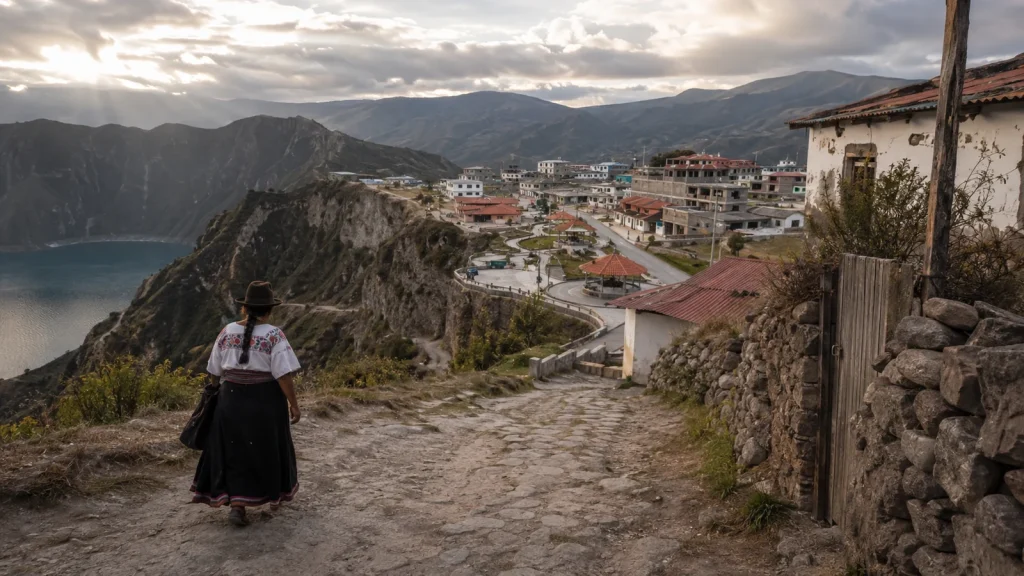
What Does Quilotoa Mean: The Name with Two Stories
Before you see the lake, it’s worth knowing what its name holds.
Quilotoa comes from two Kichwa words: Kiru, meaning tooth, and Toa, meaning princess. The volcano’s name can be read as “the princess’s tooth” — an image that makes sense when you see the elliptical shape of the crater from the rim: a perfect curve that opens over the Andean landscape like a mouth into the interior of the earth.
Another interpretation says Quilotoa means “Lagoon of the Princess”, in honor of Toa, a Shyri princess — one of the peoples who inhabited these territories before the Inca expansion and long before the Spanish conquest.
Two stories, one name. In the Andes, language always has layers.
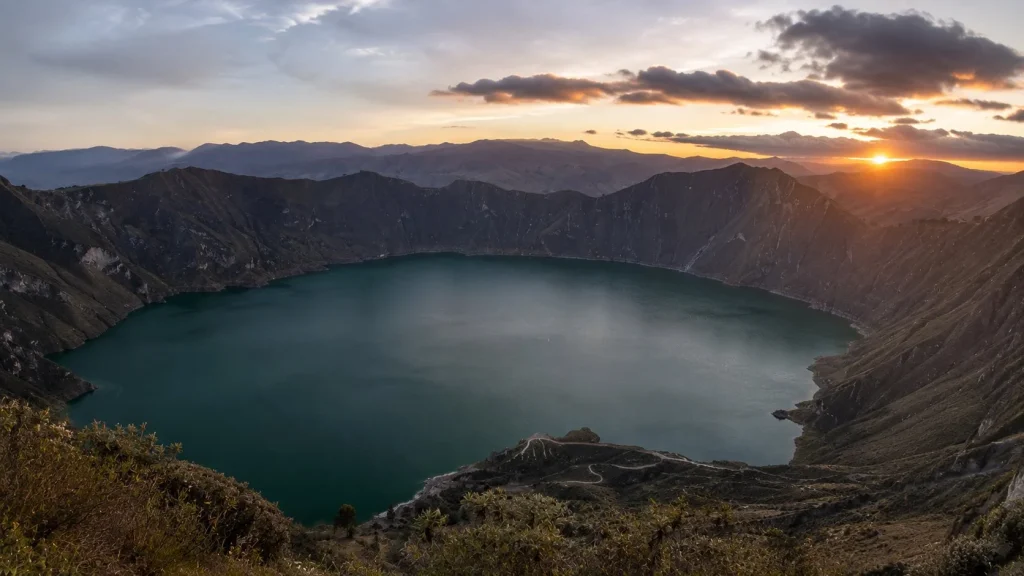
The Quilotoa volcano belongs to the Ilinizas Ecological Reserve, in the province of Cotopaxi, 66 km south of Latacunga. Over the last 200,000 years it has had approximately eight major eruptions. The caldera where the lake now sits formed 800 years ago — what you see when you lean over the rim has 800 years of geological history, and on its edges, communities that have been building their own for just as long.
The Architecture and history of Quilotoa: Building with the Earth Around You
Arriving in the village of Quilotoa and looking at its buildings is like reading a manual on adapting to your environment. Here, nothing is built to impress — it’s built to survive the cold, the wind and the altitude.
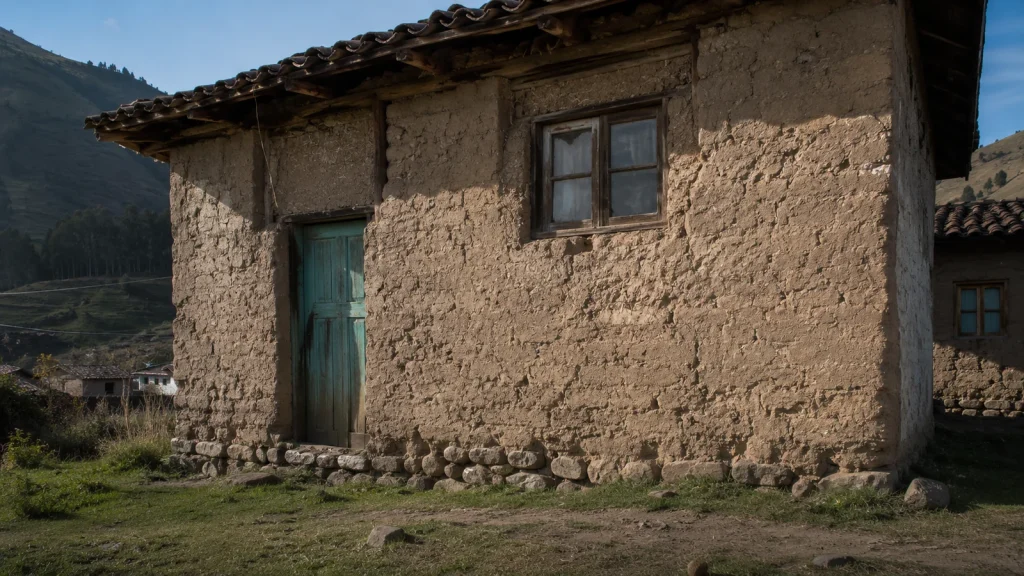
The architecture of the area is vernacular: it uses ancestral knowledge and local materials. The buildings of Quilotoa and the surrounding communities are built primarily in adobe — raw earth blocks mixed with straw — an ancient technique that responds perfectly to the cold high-altitude climate, with temperatures ranging between 6°C and 12°C and nights that can approach 0°C.
Adobe has a property no modern material can replicate in these climates: it stores heat during the day and releases it slowly through the night. The thick walls of Kichwa homes are not an aesthetic accident. They are centuries of adaptive engineering.
The ancestors of the communities that inhabit Quilotoa today — the Panzaleo — identified settlement patterns in Andean architecture that responded to ecological adaptation and to the Andean worldview, deeply respectful of the Pachamama.
Near the crater, this constructive tradition has a remarkable contemporary expression: the Chaki Wasi crafts center of the Shalalá community — whose name in Kichwa means “straw house built from the ground to the roof”. Built with river stones as a base, eucalyptus wood structure joined with cabuya (fiber from the penco plant) and wrapped in a large straw mantle, the entire structure was raised by hand with simple tools and the collective strength of the community.
Architecture that doesn’t need architects. It needs community.
The Kichwa Communities of Quilotoa: Who They Are and Where They Come From
The communities of Quilotoa are descendants of the Panzaleo, one of the oldest peoples of the Ecuadorian highlands. They absorbed first the Inca expansion and then the Spanish conquest, but kept their language — Kichwa — and their relationship with the land. Today their descendants farm the same hillsides their grandparents farmed, at the same altitudes, with many of the same seeds.
Their mother tongue is Kichwa, though they also speak Spanish today. At the Zumbahua market — held every Saturday and one of the most authentic in all of Cotopaxi province — you still hear more Kichwa than Spanish among the stalls of fruit, tubers and textiles.
One of the most recognizable cultural expressions of the area is the art of Tigua. A few kilometers from the crater, this community produces paintings on dried sheepskin — vivid and colorful, representing the land, the volcanoes, the sacred animals and the customs of the people who live in the Quilotoa region. Art born in the 1970s that today sells in galleries around the world.
Food in Quilotoa: Eating at 3,914 Meters
The food of Quilotoa is not designed for tourists. It is designed for people who work the land at altitude and need real calories and warmth from the inside. That makes it, paradoxically, one of the most authentic gastronomic experiences in Ecuador.
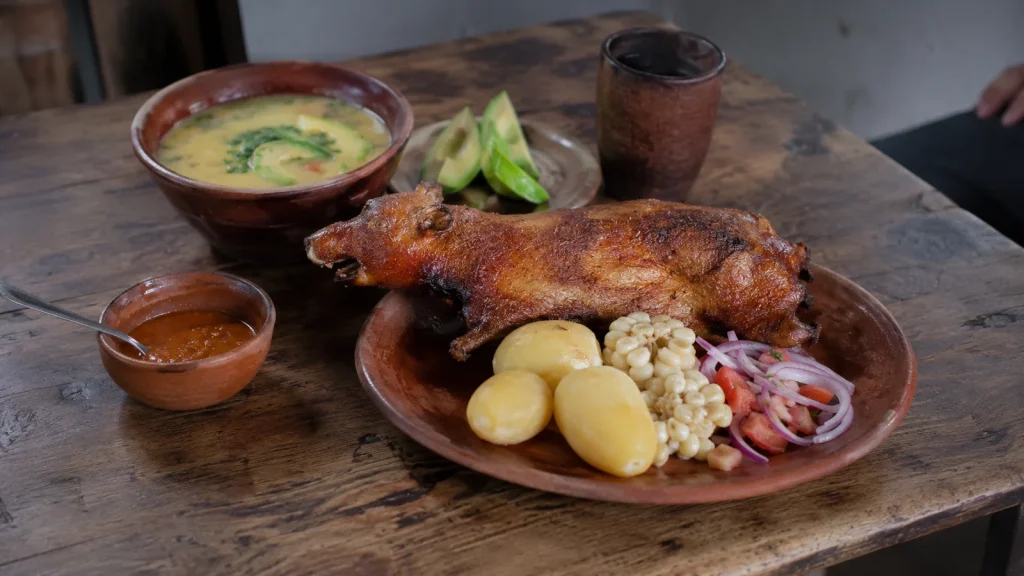
Roasted Guinea Pig with Potatoes (Cuy asado)
The most iconic dish of Cotopaxi’s Andean gastronomy. The cuy is roasted over charcoal or wood fire, seasoned with garlic, cumin, achiote and local herbs, and served with potatoes, hominy, chili and fresh salad. For many international travelers it’s their first encounter with cuy — and it almost always surprises. Guinea pig has been part of the Andean diet for more than 5,000 years and is considered a symbol of Kichwa culture associated with purification and good fortune. Not just food: history on a plate.
Potato Soup (Locro de papa)
A creamy potato soup with cheese, avocado and toasted corn. At 3,914 meters with the páramo wind outside, a hot locro is exactly what the body asks for. It’s the oldest dish in Andean gastronomy and the most universal — naturally vegetarian, comforting no matter where you come from.
Yahuarlocro
The most intense dish on the local menu. A potato soup with lamb offal — liver, heart and tripe — seasoned with creole spices, pickled onion and chili. Its name in Kichwa literally means “blood locro”. Strong flavor, high nutritional value and deep ancestral symbolism in Andean culture.
Potato Cakes and Trout (Llapingachos and trucha)
Llapingachos are cheese-filled potato cakes, pan-fried golden, served with peanut sauce and avocado. Grilled trout — farmed in the high-altitude rivers and lakes of the area — is the lightest option on the local menu and the favorite of travelers who prefer not to try the cuy.
Canelazo
The inevitable drink after a day of trekking in Quilotoa. Hot water with cinnamon, sugarcane spirit and raw cane sugar. At nearly 4,000 meters above sea level, canelazo is not an option — it’s a necessity.
Quilotoa Today: A Destination that Preserves What It Has
What makes Quilotoa special is not just the lake. It’s that everything surrounding it — the name, the houses, the food, the language, the art — forms a coherent cultural system that has been resisting for centuries.
The Kichwa communities of the area have found in tourism a way to sustain that coherence: they sell their crafts directly, offer accommodation in their own buildings and guide travelers along trails their grandparents traced.
Hostería Chukirawa is part of that ecosystem. Located steps from the crater, in the heart of the Quilotoa village, it’s the place from which you can experience all of this up close — the lake at dawn, the trek along the volcano rim, locally sourced food prepared with ingredients from the area, and the chance to connect with the communities that make Quilotoa something more than a landscape.
📍 Reservations: quilotoa.ec
- Publicado en Uncategorized
Quilotoa loop: La Guía del Mochilero para Dormir al Borde del Volcán por $13 USD
$13 USD. Una cama en habitación compartida de 5 personas. Baño dentro de la habitación. Y la entrada al cráter volcánico más impresionante de Ecuador a pasos de la puerta.
Si eres mochilero y todavía no tienes Quilotoa en tu lista, este blog es para ti.
Por Qué Quilotoa es Perfecto para Viajar Solo
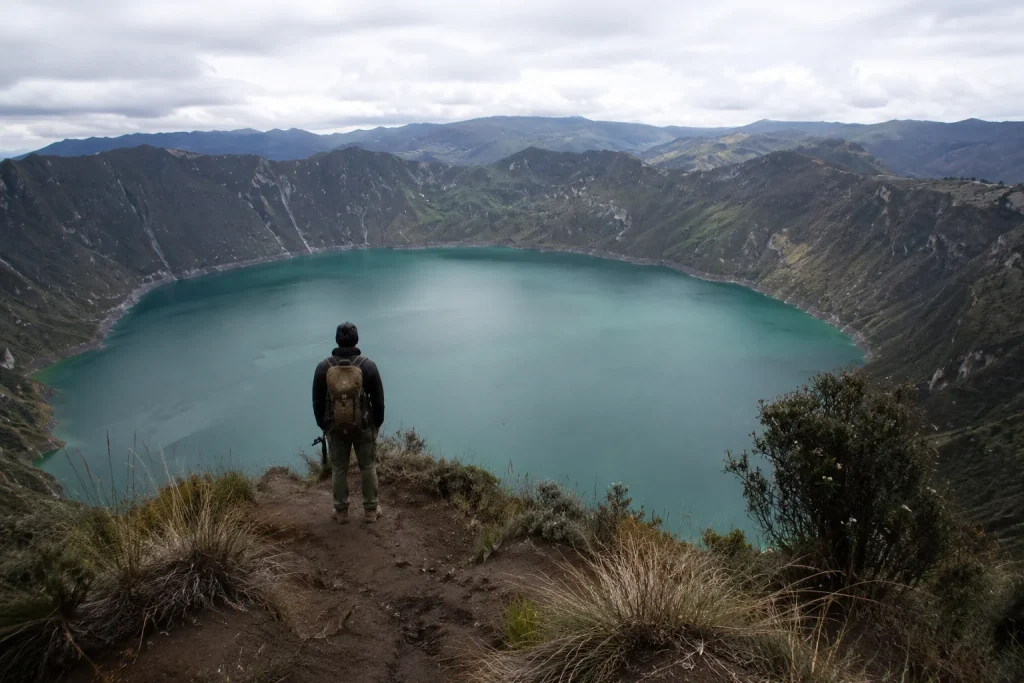
No necesitas agencia, no necesitas guía contratado, no necesitas grupo. La laguna volcánica y el Quilotoa Loop son perfectamente accesibles en solitario — y en muchos sentidos, solos se viven mejor.
Sin nadie que marque el ritmo. Paras cuando quieres. Te quedas mirando el lago el tiempo que necesitas.
Seguridad: La Respuesta Honesta
Quilotoa es seguro. El área recibe viajeros internacionales en solitario de forma regular. Los pueblos del loop son comunidades pequeñas donde la presencia de turistas es habitual y bien recibida.
Lo que sí debes hacer:
- Descarga mapas offline antes de salir — Maps.me o AllTrails funcionan bien
- Avisa en tu alojamiento a dónde vas y a qué hora calculas volver
- No camines entre pueblos de noche
- Asume que no tendrás señal móvil en la mayor parte de la ruta
En Hostería Chukirawa siempre hay alguien que puede orientarte sobre condiciones del sendero y tiempos reales de caminata.
Cómo Llegar Solo y en Bus
Desde Quito:
- Bus Quitumbe → Latacunga (cada 30 min, 1h30, ~$2.50 USD)
- Bus Latacunga → Quilotoa (sale por las mañanas, 2h, ~$2.50 USD)
- Total: menos de $6 USD y 3.5 horas
Tip: Los buses a Quilotoa desde Latacunga tienen horarios limitados. El más confiable sale temprano. Si llegas tarde a Latacunga, quédate una noche ahí y sal al día siguiente.
Si haces el Quilotoa Loop completo: toma bus hasta Sigchos (~$3 USD desde Latacunga), camina 3 a 5 días y terminas directamente en Quilotoa — en Chukirawa.
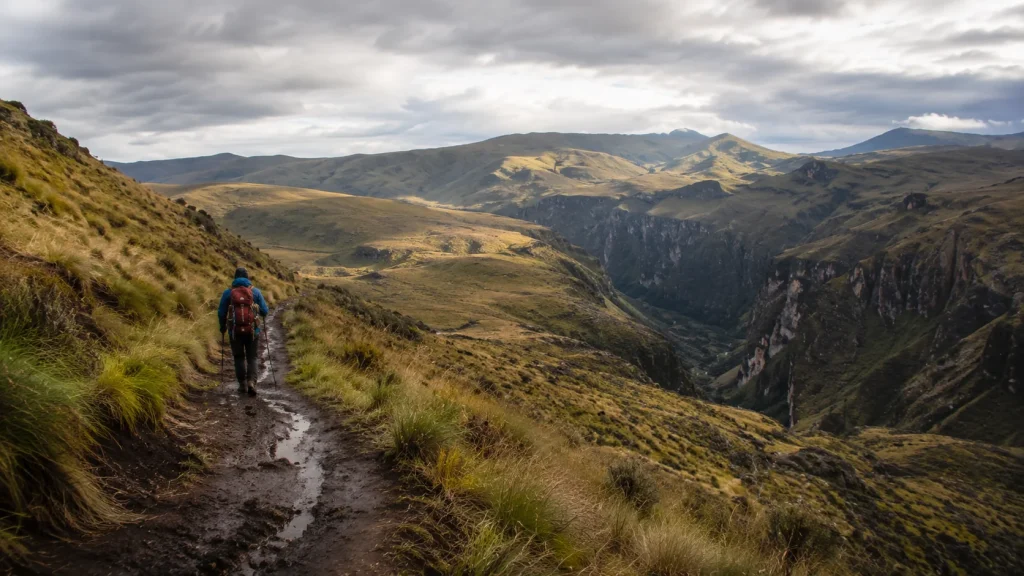
El Presupuesto Real
| Gasto | Costo |
|---|---|
| Bus Quito → Quilotoa (ida) | ~$6 USD |
| Cama dorm 5 personas — Hostería Chukirawa | $13 USD / noche |
| Entrada al Quillotoa | $2 USD |
| Comida (desayuno + cena) | $8–10 USD |
| Kayak en la laguna (opcional) | $5 USD / hora |
| Total día completo | ~$30–35 USD |
Dónde Dormir: Hostería Chukirawa
$13 USD por noche. Habitación compartida de 5 camas, baño compartido dentro de la habitación, calefacción para las noches andinas y la mejor ubicación posible: a pasos de la entrada al cráter.
Eso significa bajar a la laguna cuando quieras — al amanecer antes de que lleguen los grupos, o al atardecer cuando el cráter vuelve al silencio. Para un viajero solo, esa libertad lo cambia todo.
Es también el punto de llegada natural del Quilotoa Loop para mochileros que hacen el trekking completo. Llegar a Chukirawa después de días caminando, con una cama esperando y la laguna a pasos, es de esos momentos que se quedan.
Reservas: quilotoa.ec
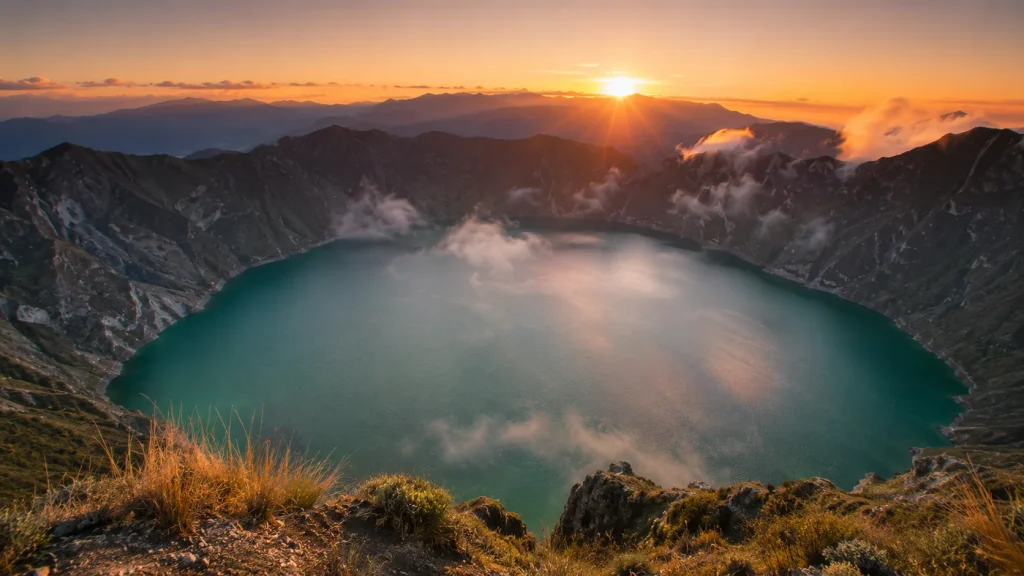
Qué Hacer con Presupuesto Bajo
Bajar al lago — 40 min de bajada, 1–2h de subida. Incluido en la entrada de $2 USD.
Trekking circular por el borde del cráter — 4 a 6 horas, 360° de vistas, sin costo adicional. La actividad más espectacular de Quilotoa y la que menos turistas hacen porque requiere quedarse a dormir.
Amanecer sobre el cráter — gratis. Solo para los que duermen en Quilotoa. A las 6am el volcán es tuyo.
Kayak en la laguna — $5 USD/hora. Remar dentro del volcán en silencio absoluto es una de esas experiencias que suenan simples y resultan inolvidables.
Una Última Cosa
Viajar solo a Quilotoa no es una aventura de segunda frente a hacerlo en grupo. Es una aventura diferente — y en muchos sentidos, mejor.
Sin consensos. Sin esperar a nadie. Sin negociar el ritmo.
Solo tú, el páramo andino, un volcán con un lago dentro y $13 USD por una cama a pasos del cráter.
📍 Reservas dorm Hostería Chukirawa: quilotoa.ec
- Publicado en Uncategorized
Quilotoa Loop: The Complete Guide to Ecuador’s Most Unforgettable Trek
The Quilotoa Loop doesn’t appear on many lists of the world’s most famous treks. That’s about to change — and those who do it before it gets crowded will be glad they did.
It’s a 3 to 5-day trekking route through the Ecuadorian Andes connecting indigenous Kichwa communities across canyons, páramo highlands and trails that don’t show up on Google Maps. No crowds, no aggressive tourist infrastructure, nothing standing between you and one of the most raw and honest landscapes in South America.
And it ends at a volcanic lake that looks like it belongs on another planet.
This is the guide you need before you go.
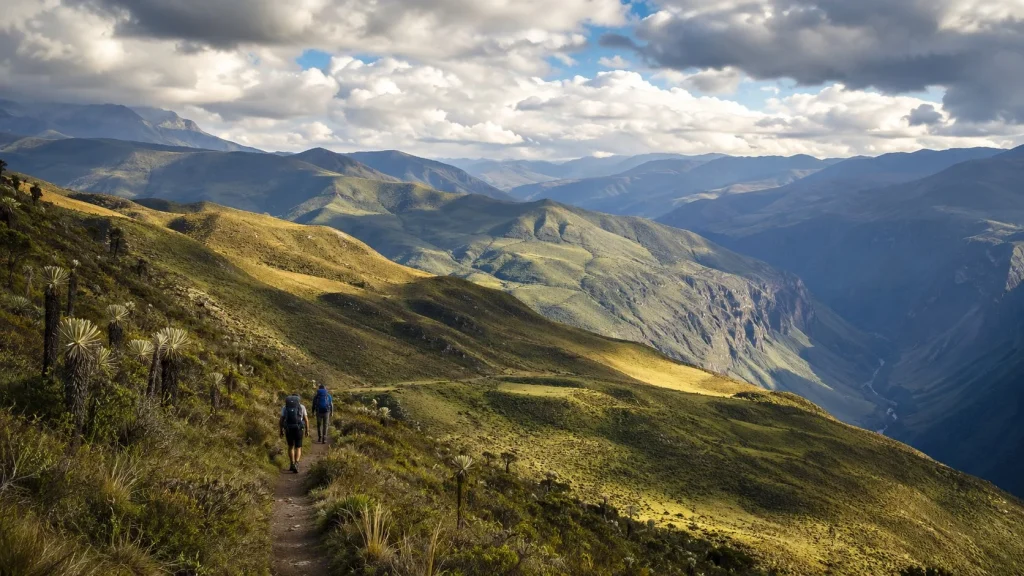
What is the Quilotoa Loop
The Quilotoa Loop is an approximately 35-kilometer hiking route in the Cotopaxi province of Ecuador. It connects the villages of Sigchos, Isinliví, Chugchilán and Quilotoa through ancient Andean trails used by Kichwa communities for centuries.
What sets the Quilotoa Loop apart from other treks in South America isn’t technical difficulty or extreme altitude. It’s the combination of three things that rarely appear together: unfiltered Andean scenery, living indigenous culture and a finale — the Quilotoa crater lake — that no other trek in Ecuador can match.
Not the longest trek. Not the most technical. The one most travelers never forget.
How Many Days Do You Need for the Quilotoa Loop
Minimum 3 days. But if you can, take 4 or 5.
With 3 days you’ll make it to the end of the Quilotoa Loop, yes — but with little room to stop when the landscape calls for it, and it will. With 4 days the pace is right: each stage has space to breathe and you arrive at Quilotoa with energy to spare. With 5 days you have an extra day for the crater rim trek — the hike that turns a great experience into an extraordinary one.
The Quilotoa Loop Route: Stage by Stage
Stage 1 — Sigchos → Isinliví
~14 km | 5–6 hours | Moderate difficulty
The Quilotoa Loop begins in Sigchos, about 4 hours from Quito by bus. From here the trail starts through terraced farmland and ravines that descend toward the Toachi canyon. This is the warm-up stage — the landscape opens gradually and your body begins to grasp the scale of what lies ahead.
Isinliví is the first village: small, authentic, with the direct and unpretentious hospitality of Andean communities. From Quito, take a bus to Latacunga (1h30) and another to Sigchos (2h30) to begin the route.
Stage 2 — Isinliví → Chugchilán
~12 km | 5–6 hours | High difficulty
The most demanding stage of the Quilotoa Loop and, for many, the most memorable. The trail descends to the bottom of the Toachi river canyon — a steep drop that tests your knees — then climbs toward Chugchilán with the canyon open below and the páramo above.
The kind of tired that feels earned.
Chugchilán is the heart of the loop: a village that at first glance seems to have nothing, and ends up being the favorite of many travelers.
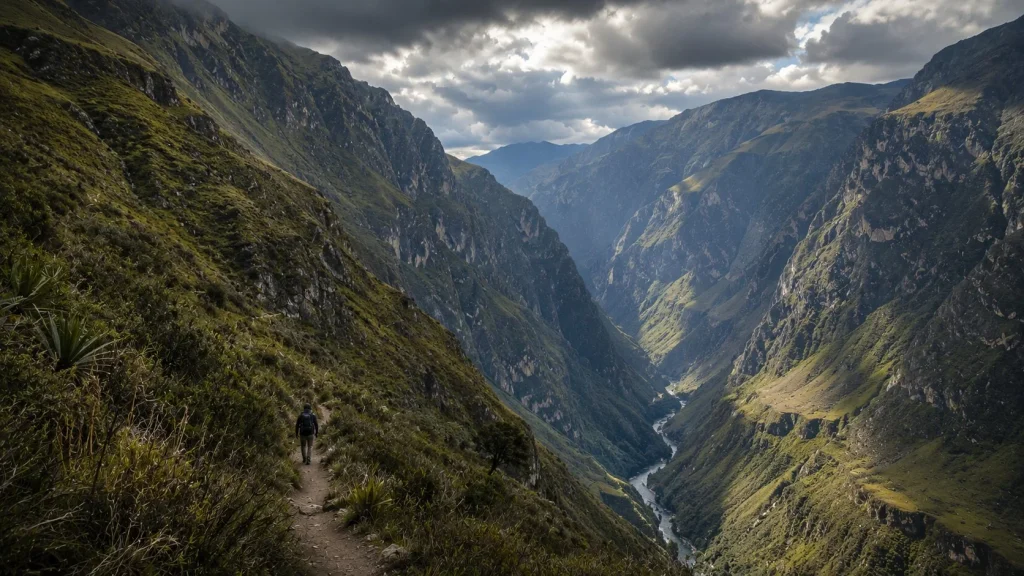
Stage 3 — Chugchilán → Quilotoa
~9 km | 4–5 hours | Moderate difficulty
The last day of the Quilotoa Loop is the shortest in kilometers and the longest in impact. The trail climbs gradually toward the Quilotoa volcano. There’s no sign of what’s coming until suddenly, without warning, the crater appears on the horizon.
Three kilometers of volcanic lake. Turquoise water at 3,914 meters above sea level. The ending that justifies every hour of the stages before it.
And steps from the crater rim, Hostería Chukirawa — the natural finish line of the loop and the place where the journey ends right.
Why Finish the Quilotoa Loop at Hostería Chukirawa
Arriving at the end of the Quilotoa Loop after days of hiking deserves more than just any room.
Hostería Chukirawa sits in the village of Quilotoa, steps from the crater entrance. A heated bed for cold Andean nights, a dinner made with local ingredients prepared for someone who just spent days on the trail, and a dawn near the lake reserved for those who slept here.
Staying an extra night also lets you do the crater rim trek the next day — 4 to 6 hours along the edge of the volcano with 360° views over the lake and the Andes. The experience very few tourists complete and that for many ends up being the highlight of the entire trip.

June: The Best Time to Hike the Quilotoa Loop
You can hike the Quilotoa Loop any time of year. But June has something the other months don’t.
It’s the start of the dry season in the Andes — clearer skies, less rain, the best conditions of the year for hiking and for seeing the lake. And June also brings the Inti Raymi.
The Inti Raymi — Festival of the Sun in Kichwa — is celebrated between June 21 and 24 in indigenous communities throughout the Ecuadorian highlands. Purification rituals, traditional dances, Andean music and a collective energy that exists at no other time of year. It’s not organized for tourists — it’s a living celebration practiced by the same Kichwa communities that inhabit the villages of the Quilotoa Loop.
Finishing the loop in Quilotoa during the Inti Raymi, with the volcanic lake as a backdrop and the communities celebrating around you, is an experience very few destinations in the world can offer.
The Quilotoa Loop Ends. Quilotoa Begins.
Days walking through the Ecuadorian Andes. Canyons, páramo, villages that mass tourism hasn’t found yet. And at the end, a volcano with a color-shifting lake inside.
The Quilotoa Loop is one of those routes that doesn’t translate well into words. You have to walk it.
And when you reach the end, Hostería Chukirawa is there — steps from the crater, dinner ready and a dawn near the lake for those who stay.
📍 Reservations: quilotoa.ec
Quick Facts
| Duration | 3 to 5 days |
| Total distance | ~35 km |
| Maximum altitude | 3,914 m / 12,841 ft (Quilotoa) |
| Difficulty | Moderate–High |
| Starting point | Sigchos (4h from Quito by bus) |
| Finish point | Quilotoa — Hostería Chukirawa |
| Best season | June–September |
| What to bring | Layered clothing, rain jacket, trekking boots, sunscreen, cash |
| Guide | Not required — guidance available at Chukirawa |
| Cash | Withdraw in Latacunga. No ATMs along the route |
- Publicado en Uncategorized
🌋 La historia viva del Quilotoa: comunidades, tradición y el sabor auténtico de Chukirawa
Mucho antes de que los viajeros descubrieran el color imposible de la laguna,
el Quilotoa ya era un lugar sagrado.
Para los pueblos andinos, esta montaña no es solo un volcán:
es un espíritu, un guardián, una memoria de quienes vivieron y sembraron en sus faldas desde hace generaciones.
Y quizá eso explica por qué, cuando el viento sopla en el borde del cráter,
se siente como si alguien —o algo— estuviera contando una historia.

🏔️ Un cráter que guarda más que agua
La laguna del Quilotoa es joven en términos geológicos,
pero antigua en significados. Sus colores verdes y turquesas cambian según la luz,
como si el volcán estuviera de humor. Los ancianos de la zona dicen que la laguna es un espejo del cielo y que quien la mira con respeto, se mira a sí mismo.

🧑🏽🌾 Quilotoa no es un destino aislado:
es el corazón de una red de comunidades históricas como Zumbahua, Tigua, Chugchilán, Isinliví y Sigchos.
Aquí se habla kichwa, se siembra papa, quinua y habas, se vive un ritmo que no conoce la palabra prisa.
En cada camino encontrarás:
✨ mujeres tejiendo ponchos y fajas con patrones ancestrales
✨ pintores de Tigua, famosos por su estilo ingenuo lleno de color
✨ agricultores que te regalan una sonrisa aunque no te conozcan
✨ niños que corren entre burros, perros y cuyes sin preocuparse del tiempo
Viajar por esta zona no es turismo…
es mirar de cerca una forma de vida que resiste y florece.

🍲 La gastronomía del Quilotoa no es sofisticada ni pretenciosa.
Es real, honesta y profundamente humana. Cada plato tiene un origen.
Cada sabor, un significado.
Los alimentos vienen de la Madre Tierra —la chakana—
y se cocinan como se ha hecho toda la vida:
🔥 al fuego lento
🌱 con ingredientes locales
🤲 con recetas heredadas
💛 y con ese cariño que no se aprende: se vive
Aquí nacen los platos que definen la zona:
• locro de papa espeso y reconfortante
• caldo de gallina criolla, perfecto para el frío de altura
• habas tiernas con queso
• trucha frita, fresca y dorada
• mote pillo, humilde pero inolvidable
• colada morada en temporada
• y por supuesto, especialidades inolvidables

🏡 En el corazón de esta riqueza cultural y gastronómica, Hostería Chukirawa honra la historia del Quilotoa a través de su comida.
Nuestro restaurante no pretende reinventar la tradición.
La respeta.
La celebra.
La sirve tal como debe ser:
auténtica, local y hecha con manos que entienden el valor de la tierra.
Por eso dicen —y no lo decimos nosotros—
que en Chukirawa está la mejor comida tradicional de toda la zona.

Hay viajeros que llegan por la laguna. Pero muchos regresan por algo más simple y profundo:
la comida que recuerda a hogar, incluso para quienes están lejos de casa.
Comer en Chukirawa es:
✨ sentarte con con calidez increible
✨ sentir el aroma de la comida recién servida
✨ Contemplar el paisaje mientras la trucha chisporrotea
✨ escuchar el murmullo calmado de la montaña
✨ y entender que, a veces, la comida también sana
Aquí todo tiene ritmo de fuego lento, De tradición, De verdad.

🌋 Hospédate en Hostería Chukirawa, frente al cráter
🍲 Prueba la mejor comida tradicional de la zona
🧖♀️ Disfruta del spa andino (sauna + jacuzzi)
🍳 Desayuno incluido
📍 Reserva y descubre el Quilotoa desde su esencia:
www.quilotoa.ec

- Publicado en Uncategorized


